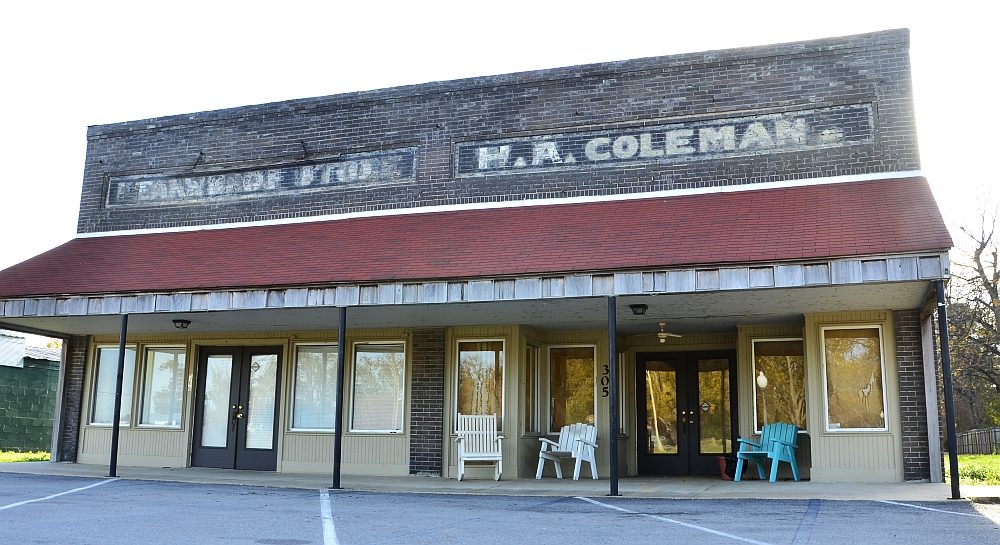
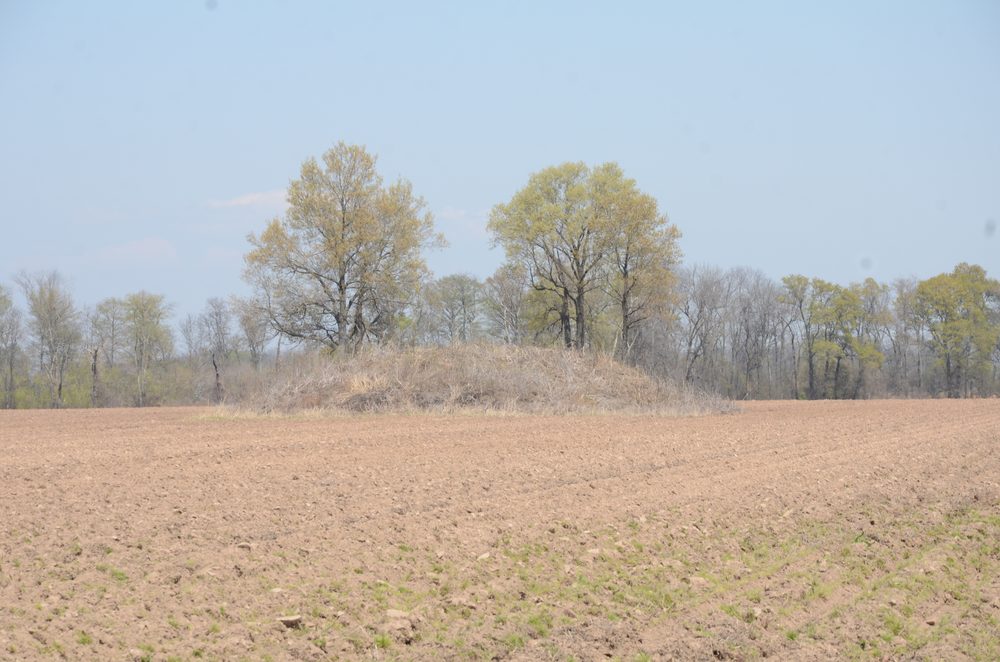
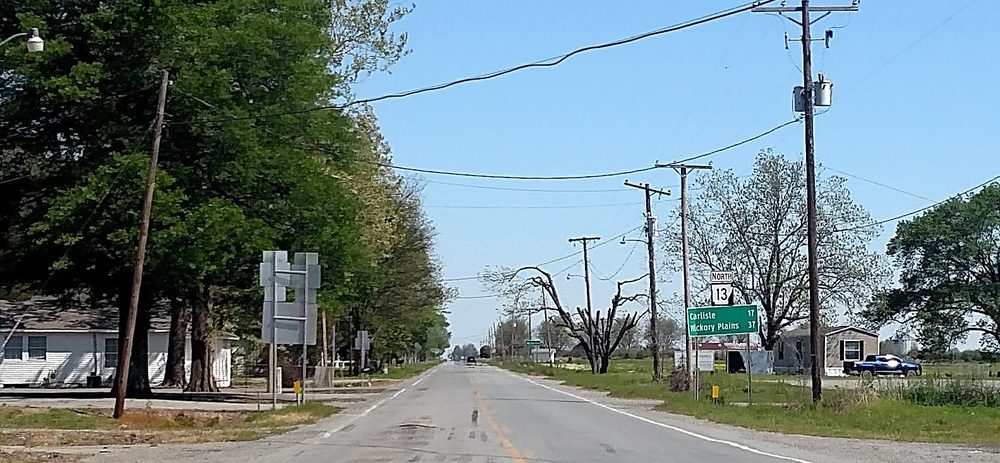
Plum Bayou Mounds State Park
Formerly Toltec Mounds, this park near Scott protects some of the tallest Native American mounds in Arkansas, built over a thousand years ago beside Mound Pond — trails, tours, and big-sky sunsets.
For residents
Step-by-step answers to the questions residents ask most, and where to go next, plus parks and outdoor recreation, the county's nine cities and towns, and frequently asked questions.
Quick answers
By mail, at the Collector's window, or by phone at (501) 676-6344. Taxes are due by October 15 each year. Where a fire district charges dues, they are billed on the same statement; the amount is set per year and may change. Details are on the County Collector page.
From the County Clerk at the courthouse. Both parties appear with photo ID; the license is issued the same visit and is valid for 60 days anywhere in Arkansas. No blood test, no waiting period — this is the Natural State, not a soap opera.
Register with the County Clerk or at any Arkansas revenue office — 30 days before an election to vote in it. The Clerk's office can confirm your precinct and polling site, and early voting runs at the courthouse the two weeks before every election.
From the Circuit Clerk's recording desk — $0.25 per page, $5.00 to certify. Bring an owner name or a book & page number and staff will help you find it.
Call the Road Department at (501) 676-6403 with the road name and nearest address. Inside city limits, contact your city's street department instead.
Arkansas's FOIA makes most county records public. Ask the office that keeps the record — in writing is best; a record in active use or storage must be available within three working days.
The current status lives on the Fire & Emergency page, updated by the County Judge's office whenever conditions change.
Parks & outdoors
Eight hundred square miles of the Natural State — ancient mounds, legendary waterfowl country, and more farm-raised minnows than anywhere in America.
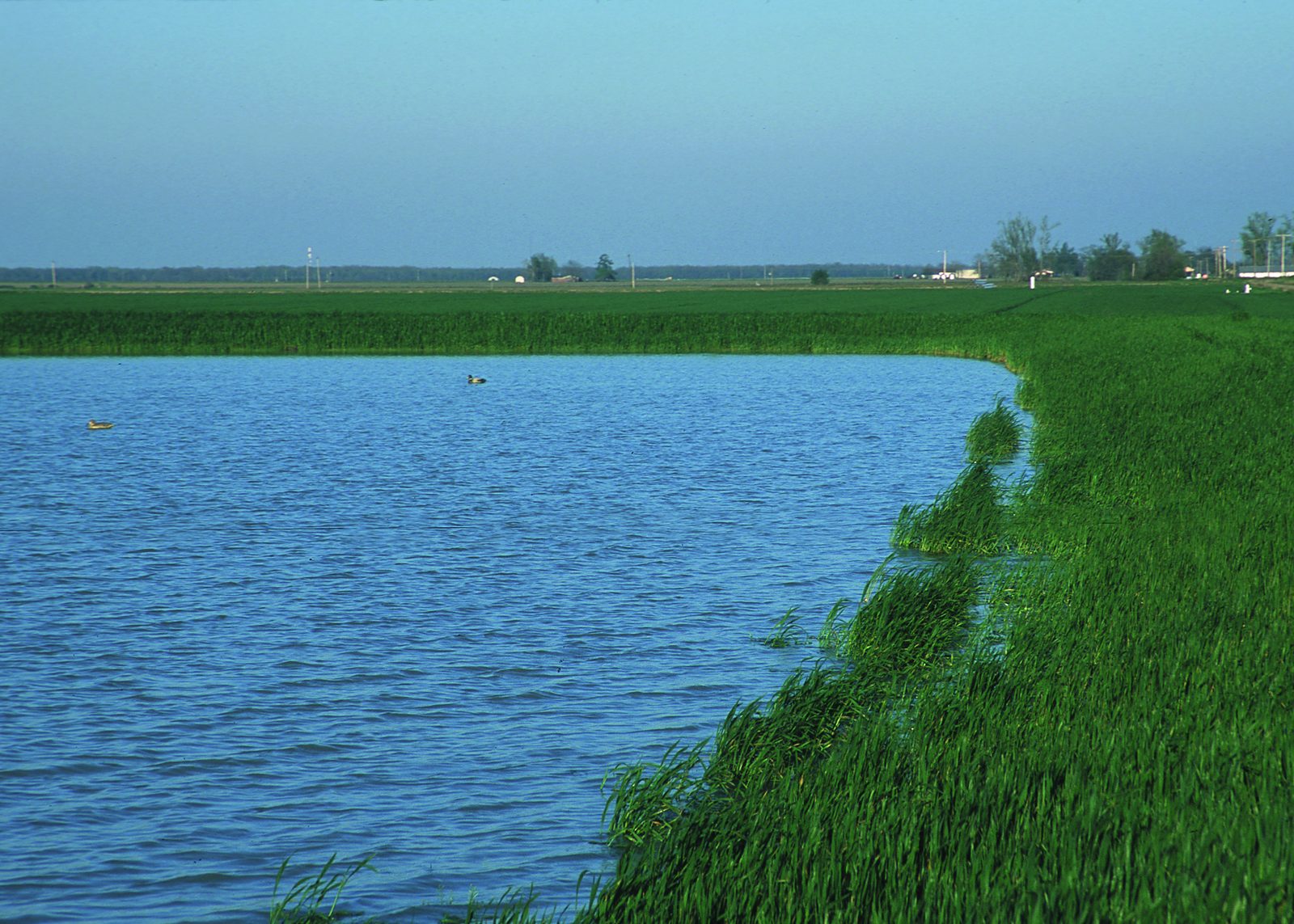
Licenses and WMA permits are issued by the Arkansas Game & Fish Commission at agfc.com — most county bait shops sell them too, along with better fishing advice than any website.
Our communities
Each with its own square, story, and Friday-night lights.
The county's largest city, up where the prairie meets the timbered hills.
The county seat & Minnow Capital of the World.
One of Arkansas's fastest-growing small cities.
Front-porch living on the old military road.
Where Arkansas rice farming began in 1904.
Grand Prairie farm town with deep delta roots.
Pecan orchards, antiques, and pie worth the drive.
Quiet rice country in the county's southeast.
Farm families and flyways on the south prairie.
Good to know
Courthouse offices are open Monday–Friday, 8:00 a.m.–4:30 p.m., except county holidays. The Circuit Clerk's recording desk closes at 4:00 p.m. Sheriff's dispatch never closes.
The county platform is built to WCAG 2.1 AA practices — keyboard navigation, screen-reader landmarks, and reduced-motion support throughout. If anything is hard to use, email it-admin@lonokear.gov and we'll fix it.
Inside city limits, animal control belongs to your city. Septic and food-service permits run through the Arkansas Department of Health's local environmental office. Not sure who to call? Start with our directory — we'll point you right.
Schedule a hearing with the county Board of Equalization, which convenes in August. The County Clerk serves as the board's secretary — ask the Clerk's office to get on the docket by the third Monday in August, and bring comparable sales or photos that support your case.
Vital records are kept by the Arkansas Department of Health in Little Rock, not the county. Marriage records, though, live with our County Clerk — and land records with the Circuit Clerk.
Still looking?
Five rings or less, weekdays 8:00 to 4:30. Promise.